
Divorce Lawyer in Santa Maria
Tailored Solutions & Quality Divorce Counsel
Navigating the complexities of divorce requires experienced, compassionate, and responsive legal counsel. Morales Law, P.C. focuses on family law matters, including divorce, child custody, property division, spousal support, child support, and business valuation. We understand that divorce is a challenging and emotionally charged experience, and we are committed to guiding our clients through this process with professionalism, empathy, and unwavering support.
Our approach to family law is comprehensive and client-centric. We delve deep into each client’s case, addressing financial settlements, child custody arrangements, and other relevant concerns. We actively collaborate with clients to devise customized strategies that align with their long-term goals and well-being. Marcus Morales holds a family law certification and has led the firm’s family-law practice since 2011.
Additionally, we stay up to date with the evolving landscape of California family law through continuous education and training. This commitment enables us to provide informed advice that considers recent legal developments, ultimately empowering our clients to make well-informed decisions.
Get in touch with our firm today by calling (805) 422-7966. We look forward to discussing how our Santa Maria divorce attorneys can help you.
Key Issues Addressed in a Santa Maria Divorce
When you begin the divorce process, it is natural to wonder what specific issues the court will address and how those decisions will affect your daily life. In Santa Maria, family law judges regularly consider questions about custody schedules, support obligations, and how to fairly divide what you and your spouse own and owe. Understanding these core topics can help you prepare for important decisions and gather the information your attorney will need. By clarifying the main components of a case early on, you can approach each step with more confidence and realistic expectations.
Child custody and parenting time are often the most sensitive parts of a divorce, particularly when parents live or work on different schedules or in different parts of Santa Barbara County. Courts look at factors such as the child’s existing routine, school location, and each parent’s ability to provide a stable, safe environment when crafting parenting plans. Judges at the Santa Barbara County Superior Court in Santa Maria focus on the best interests of the child, which may include encouraging frequent and continuing contact with both parents when it is appropriate. Preparing thoughtful proposals and documentation can help ensure your child’s needs are clearly presented to the court.
Property division and support are equally significant, especially when a family owns a home, retirement accounts, or a closely held business. California follows community property principles, which generally treat assets and debts acquired during the marriage as belonging to both spouses, but the practical application of that rule can be complex. California community-property analysis can require classification of assets and debts as community, separate, or mixed property, and the distinction matters considerably for the final division. A prenuptial agreement, if one exists, may also affect how assets are classified and divided. A divorce attorney can assist with gathering financial records and working with financial professionals when necessary to pursue a fair resolution. These efforts can support long-term financial planning while complying with California law.
Uncontested & Contested Divorce Services in Santa Maria
California is a no-fault divorce state, so neither spouse needs to prove fault to end the marriage. You can choose between an uncontested or contested divorce based on whether you and your spouse agree to the terms.
An uncontested divorce in Santa Maria is simpler, with both spouses agreeing on child custody, support, spousal support, and property division. While it may seem easy to handle this without a lawyer, our attorneys can work to protect your rights and help with correctly filing paperwork. Even straightforward cases can have unexpected legal issues, and our Santa Maria team can help clients navigate the process.
A contested divorce arises when spouses disagree on key issues and may need court intervention. These cases can involve negotiation, mediation, temporary orders, discovery, and, when necessary, court hearings. In these situations, having a skilled divorce lawyer is crucial. Our firm has extensive trial experience in family-law cases, and we manage contested divorces with the preparation and dedication that complex proceedings require.
Whether your divorce is uncontested or contested, our firm is here to guide you through the legal process with knowledge and dedication, working to protect your interests at each step.
Local Insights on Divorce in Santa Maria
Divorce proceedings in Santa Maria are handled through the Santa Barbara County Superior Court’s Santa Maria Cook Division, which manages family-law matters for this part of the county. Understanding the court’s filing procedures, local forms, and scheduling practices can affect how a case moves forward. Our firm is based in Santa Barbara and serves clients with family-law matters throughout Santa Barbara County, and our practice includes familiarity with Superior Court procedures applicable to local filings.
Court-specific requirements, available family-law services, and local procedural expectations can all shape the progression of a Santa Maria divorce case. Readers should be aware that court staff and self-help resources can provide general information, but they are not a substitute for individualized legal counsel. A divorce attorney familiar with Santa Barbara County Superior Court procedures can help with completing filings and tracking deadlines.
Military Divorce Counsel
With Vandenberg Space Force Base (VSFB) situated so close to Santa Maria, our team is committed to understanding the unique needs of service members and their families as they navigate the divorce process. We recognize that military divorces can differ from civilian divorces because of deployments, housing allowances, military pensions, state and federal laws protecting deployed service members, and other unique concerns. We are prepared to help you handle the paperwork and develop a plan that considers your wishes and applicable state and military regulations.
Navigating the intricacies of military divorce requires a working knowledge of the various regulations that govern military benefits and entitlements. Military divorce may involve deployment schedules, military pay and allowances, retirement benefits, and service requirements. From military pension division to addressing matters under the Uniformed Services Former Spouses’ Protection Act (USFSPA), our firm provides support that accounts for multiple facets of military life.
We also prioritize open communication with our military clients. Our practice is limited to family law areas, which means we bring focused attention to the custody, support, and property questions that commonly arise in military-family cases.
California Divorce Residency Requirements
To file for divorce in California, at least one spouse must meet the following residency requirements:
- Six months of California residency. Either you or your spouse must have lived in the state of California for a minimum of six months immediately before filing for divorce.
- Three months of county residency. In addition to the state residency, one spouse must have lived in the specific county where the divorce is being filed for at least three months immediately before filing.
If neither spouse meets the residency requirements, it may be possible to file for legal separation as an interim step until the residency criteria are satisfied. Unlike divorce, California law imposes no state or county residency requirement for legal separation. You should consult with an attorney if you have questions about the residency requirements.
It is important to understand that residency requirements can impact your divorce timeline. Meeting the state and county residency prerequisites can help avoid residency-related delays. Failure to meet these requirements could lead to postponements, affecting your ability to address crucial personal matters.
In some situations, we can help navigate legal complexities surrounding temporary moves or ambiguous residency situations and address questions about compliance with state laws. Our understanding of these requisites can help clarify the process.
The Santa Maria Divorce Process: What to Expect
A California dissolution generally begins with filing required court forms and serving them on the other spouse. Once served, the respondent has 30 days to file a Response. A respondent who does not file within that window may face a default proceeding, in which the court can decide issues without that party’s participation. Responding promptly is one of the most consequential steps a served spouse can take.
After service and response, both parties complete mandatory financial disclosures. These disclosures cover income, expenses, assets, and debts, and they form the foundation for negotiations over property division and support. Depending on the issues in dispute, the process may also involve temporary orders, custody and support hearings, mediation, and further discovery before the parties reach a settlement or proceed to trial.
California courts state that a divorce cannot be finalized earlier than six months from the date the respondent was served or first appeared in the case. That six-month period is a floor, not a guarantee of completion. Cases involving contested custody, complex property, or business valuation often take longer. Our firm provides customized legal strategies and, when financial complexity requires it, coordinates with CPAs and forensic accountants to help clients move through the process as efficiently as the facts allow.
Financially Complex & High-Asset Divorce in Santa Maria
When a marriage involves a business interest, significant retirement accounts, real estate, or other substantial assets, the financial analysis required can be substantial. California’s community property framework requires classifying each asset and debt as community, separate, or mixed property before any division can be determined. That classification process becomes more demanding when separate and community contributions are intermingled over time.
Business interests present particular challenges. Ownership structure, income, separate and community contributions, liabilities, and the methodology used to value the business can all affect the final number. Our firm handles business valuation matters in family-law cases and, when financial analysis requires outside review, coordinates with CPAs and forensic accountants to support a thorough analysis.
Retirement accounts also require careful handling. Different account types carry different division procedures and tax consequences. A Qualified Domestic Relations Order (QDRO) is a court order that assigns to an alternate payee (such as a former spouse) the right to receive all or a portion of the benefits payable under a retirement plan and may be necessary for certain accounts. Addressing the tax treatment, liquidity, and long-term value of each asset before agreeing to a division allows parties to evaluate arrangements that may appear equitable on paper but create problems later. When reported financial information appears incomplete or inconsistent, discovery tools are available to obtain records and identify discrepancies.
How Can a Divorce Attorney Help with Your Case in Santa Maria?
Divorce impacts various aspects of your life, which is why it is so important to have a skilled divorce lawyer working to help you navigate the legalities and understand the implications of actions and decisions.
A qualified divorce attorney can also help with the following:
- Protect your interests. Your attorney can advocate for your best interests and can offer counsel with your goals and needs in mind.
- Handle complex negotiations. Divorce often involves difficult negotiations. A skilled attorney can handle these discussions on your behalf, working toward terms that reflect your priorities.
- Represent you in court. If your case cannot be resolved amicably, your attorney can represent you in court and present your position.
- Provide emotional support. Divorce can be emotionally draining. An experienced attorney can offer empathy and support while guiding you through the process. They can also act as an objective party when offering counsel.
Can Your Divorce Be Finalized If a Spouse Fails to Respond?
In California, a spouse’s failure to respond to a divorce petition can lead to a default judgment. Under California court procedures, a respondent who does not file a Response within 30 days after service may face a default proceeding in which the court can decide issues without that respondent’s participation. This can have significant legal and financial consequences for the absent party, as their rights and interests may not be factored into the determinations. It is important for individuals served with divorce papers to promptly seek legal counsel and file a response within that 30-day period.
Proactively addressing divorce papers can help avert default judgments, which can include determinations regarding property, custody, and support. A default judgment is also not the same as an immediately finalized divorce; additional forms and judicial review may still be required before the dissolution is complete. By responding promptly, spouses can assert their rights and present their perspectives, possibly facilitating negotiations or mediation.
Our firm offers guidance on recommended practices for responding to divorce petitions, including instructional resources and legal support to help manage aspects of the process that a particular situation might require. We underscore the importance of timely action in protecting your interests.
Frequently Asked Questions About Divorce in Santa Maria
Another common error is allowing emotions to dictate decisions. Divorce can be emotionally charged, but letting feelings interfere with decisions about finances, child custody, or property division can lead to unfavorable outcomes. Enlisting the help of a professional can provide the objective voice needed.
Overlooking the impact of taxes on settlements is also a frequent oversight. The tax implications of receiving certain assets or support payments should be reviewed thoroughly to help identify potential liabilities after divorce. Lastly, not considering the future needs of children can also be a misstep. A focus on current issues without a long-term plan for children’s well-being can disrupt stability and continuity for the family post-divorce.
How Does Mediation Work in a Divorce?
Mediation offers a collaborative approach to resolving disputes in divorce without going to court. A neutral third-party mediator assists the divorcing couple in discussing and resolving issues such as child custody, division of assets, and spousal support. Mediation can be less adversarial, helping reduce emotional strain and promoting cooperative solutions. During sessions, each party presents its position, and the mediator facilitates dialogue to help reach an agreement on contentious points.
Mediation may offer confidentiality protections, though their scope can depend on the circumstances and applicable law. Furthermore, mediation can sometimes reduce the time and expense involved compared with traditional litigation. It empowers the individuals involved to make decisions that best suit their unique situations, rather than having a court impose orders. It is integral to prepare thoroughly before entering mediation, focusing on understanding key issues and articulating personal goals.

Our Attorneys
Responsive & Personalized
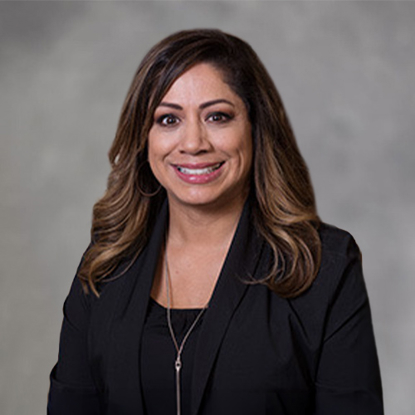
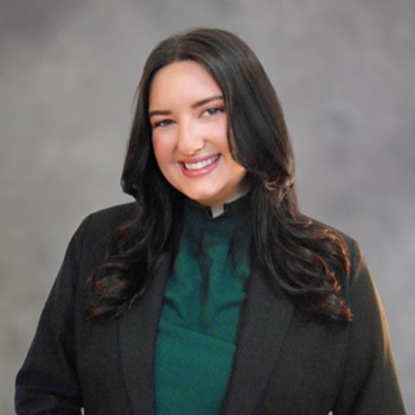
Working with attorney Marcus Morales and the team at Morales Law means getting a responsive and personalized experience. We know what you’re up against, and we understand you’re working with us because you’ve reached a difficult point in your life. We want to help. Contact us today.



Talk with Our Santa Maria Divorce Attorneys
Divorce can be a tumultuous experience, but you do not have to navigate it alone. Our firm is dedicated to providing professional and effective legal representation to individuals facing the dissolution of their marriage. With client testimonials, our attorneys offer a depth of experience and reliable counsel.
Acknowledging the stress and uncertainty inherent in divorce, we foster a relationship built on trust and open communication. We work to keep clients informed, address concerns throughout their case, and ensure their voices are heard.
We can act as your advocates in your divorce. Call our divorce lawyer at (805) 422-7966 or schedule a confidential consultation online.
-
"His confidence and compassion helped ease my stress"
I am so grateful I chose Morales Law to help me with my child custody case. Marcus Morales truly took the time to learn about my case and his attention detail was highly appreciated. He is easy to get in contact with, and made me feel like every conversation was important to him. He is strong and intelligent while in the courtroom. His confidence and compassion helped ease my stress throughout a high stress point of my life.- Sarah H. -
"look no further than Morales Law"
Morales Law handled my complex, and highly contentious, custody and move away case. After my first phone call with Mr. Morales I immediately knew I wanted him and his team to represent my family and I. Everyone at Morales Law displays professionalism, courtesy, and thorough knowledge of the family court system. Mr. Morales is a well-respected attorney who will go to bat for you in the courtroom. His team always got back to me in a prompt manner and kept me up to date with every single detail of my case. In all, if you're in need of legal assistance with your family matter, look no further than Morales Law.- Valanci V.