
Supervised Visitation: A Path to Safe and Healthy Parent-Child Relationships
As a Certified Family Law Specialist, I often work with parents navigating complex child custody matters, particularly when concerns about a child's safety during visitation arise. In such situations, professionally supervised visitation can be a crucial tool to ensure the well-being of children while fostering a parent-child relationship.
What is Professionally Supervised Visitation?
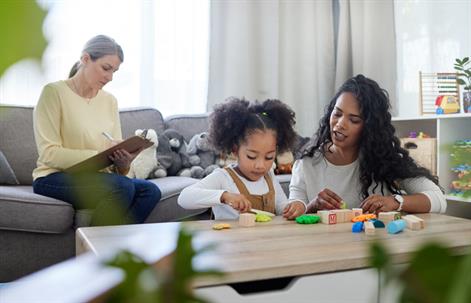
Professionally supervised visitation involves a neutral third party observing and ensuring the safety of children during visits with a parent. This arrangement is typically ordered by a court when there are concerns about a parent's ability to provide a safe and appropriate environment for the child, or when there are allegations of domestic violence, abuse, or substance abuse. The supervisor's role is to objectively observe the interactions, intervene if necessary, and report back to the court. The main objective is to ensure the child's safety and well-being during visitations.
The Process for Obtaining Professionally Supervised Visitation
The process for obtaining professionally supervised visitation usually begins when one parent files a Request for Order (RFO) with the court, seeking a modification of existing custody and visitation orders to include supervision. This request is often accompanied by a declaration outlining the reasons why supervised visitation is necessary, such as concerns about drug use, child abduction risk, or a history of domestic violence.
Once the RFO is filed, the court will typically schedule a hearing to consider the request. During this hearing, both parents will have the opportunity to present their arguments and evidence. The court's primary consideration will always be the child's best interest. If the court determines that supervised visitation is warranted, it will issue an order specifying the terms, including the frequency, duration, and location of visits, as well as who will pay for the supervision.
Credentials for a Professional Supervisor
Professional supervised visitation providers must meet specific requirements outlined by California law and Judicial Council forms. These requirements ensure that supervisors have the necessary training and qualifications to safeguard children and provide accurate reports to the court. Generally, a professional supervisor must:
- Complete specific training requirements.
- Have a signed Judicial Council form FL-324(P), Declaration of Supervised Visitation Provider, attesting to their qualifications under Family Code 3200.5.
- Be a neutral third party who can objectively observe and report on the visitations.
How Professional Supervisors Ensure Children's Safety
Professional supervisors play a vital role in ensuring children's safety during visits by:
- Maintaining Constant Observation: Supervisors are present throughout the entire visitation, closely monitoring all interactions between the parent and child.
- Intervening When Necessary: If any safety concerns arise, such as inappropriate behavior or communication, the supervisor has the authority to intervene and, if necessary, terminate the visit.
- Preventing Prohibited Contact: Supervisors ensure that any court-ordered no-contact or stay-away orders are strictly followed, including preventing contact with other restrained parties.
- Enforcing Travel Restrictions: If there are court orders prohibiting travel outside of the county or state with the children, the supervisor ensures these restrictions are upheld.
- Documenting Observations: Supervisors maintain detailed records of each visit, noting interactions, behaviors, and any concerns. These reports are then submitted to the court and can be used as evidence.
Supervised Visitation as Evidence for Non-Custodial Parents
For a parent who does not have custody, professionally supervised visitation can be a powerful tool to demonstrate their commitment to their child's well-being and their ability to provide a safe environment. By consistently participating in supervised visits and adhering to all court orders, a parent can:
- Build a Positive Record: Each successful supervised visit provides concrete evidence to the court that the parent is capable of having safe and meaningful interactions with their child.
- Address Past Concerns: If supervised visitation was ordered due to past issues, consistently positive reports from a professional supervisor can demonstrate that those issues have been addressed and no longer pose a risk.
- Support a Request for Increased Custody: Over time, a strong record of successful supervised visits can be used to support a request to modify custody orders, potentially leading to unsupervised visitation or an increase in parenting time. The court looks for progress and a return to normalcy when it's in the child's best interest.
In essence, professionally supervised visitation, while initially a restrictive measure, can become a stepping stone for parents to rebuild trust, demonstrate their commitment, and ultimately achieve a more expansive and independent relationship with their children.